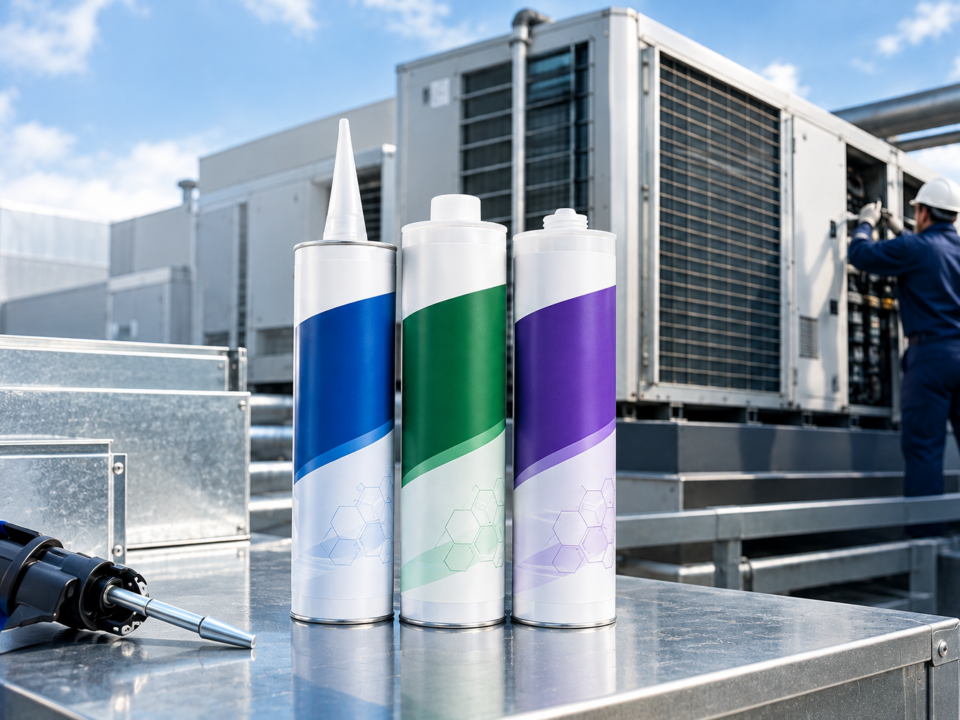
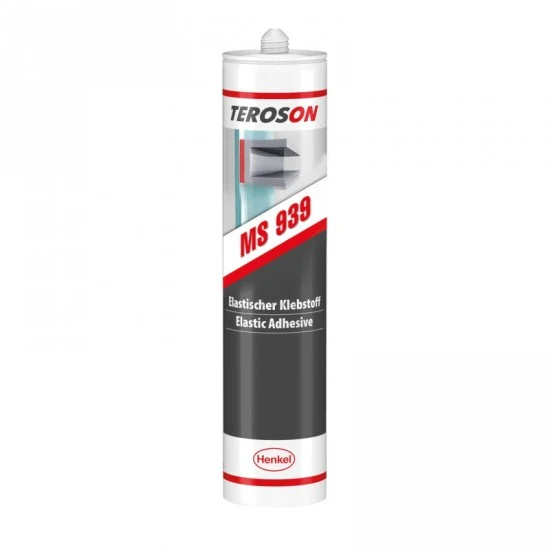
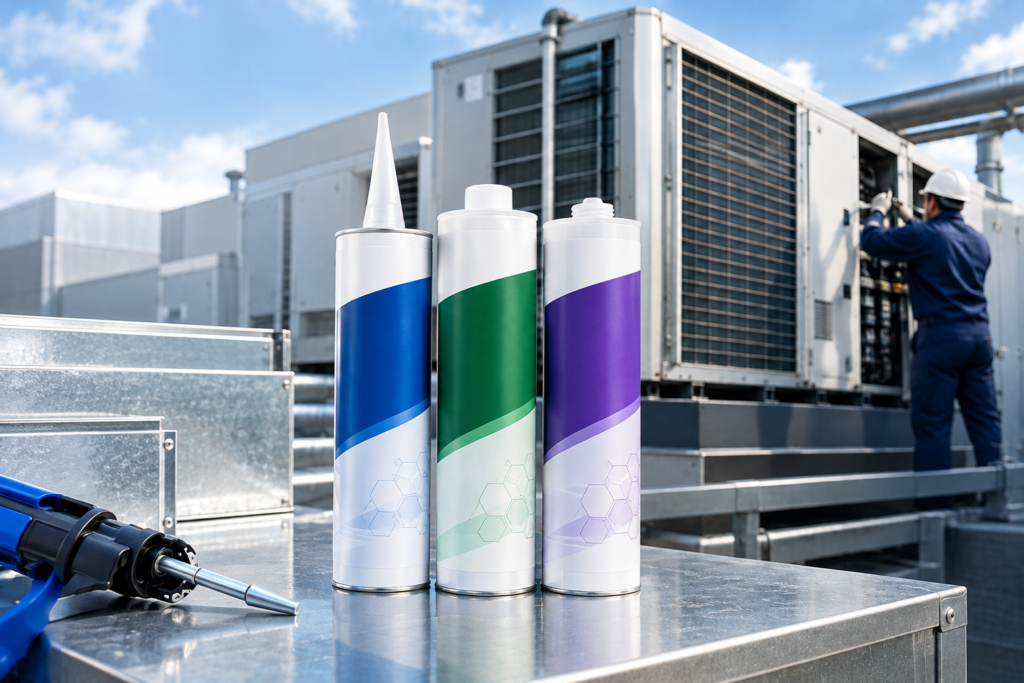
TORGGLER brings to ABS Europe 2026 Sitol® Infinity: the high-performance one-component adhesive and sealant based on hybrid polymer technology
11 September 2026
ACTEGA invests in China to strengthen sealant production for packaging
16 September 2026
A new approach to adhesive formulation could combine recyclability, high performance, and reusability. Researchers at the Oak Ridge National Laboratory (ORNL), a U.S. Department of Energy Laboratory, have developed an adhesive made from polymers that would otherwise be destined for disposal.
The experimental material combines several characteristics that could be particularly attractive to the adhesives industry. It offers higher strength than a number of commercial adhesives, can be used in both dry and wet conditions, and can bond a wide range of substrates, including wood, glass, metal, paper, and polymers.
The most innovative feature, however, is the possibility of disassembling and reusing the adhesive joint. Unlike conventional adhesives, in which crosslinking generally leads to permanent bonds, the new formulation uses reversible chemical bonds that allow the adhesive to soften, be removed, and subsequently regain its performance.
The research team has filed a patent application for the technology.
One Formulation for Multiple Applications
In today’s market, substrate characteristics and application requirements often determine which adhesive is selected. Vinyl adhesives, polyurethanes, silicones, epoxies, and other adhesive technologies are chosen according to specific performance requirements, from DIY applications to aerospace manufacturing.
The availability of an adhesive capable of performing effectively across different materials could therefore simplify a wide range of manufacturing, maintenance, and repair processes while reducing material consumption and waste generated during disassembly.
According to Anisur Rahman, an ORNL research and development staff member who led the study published in Science Advances, most adhesives are designed for a specific application. The new formulation, by contrast, can be used for both structural and pressure-sensitive applications and maintains its performance in wet and dry environments.
The technology could also have significant economic implications given the size of the global adhesives and sealants market, currently estimated at around $87 billion and projected to reach nearly $119 billion by 2032.
From Plastic Waste to Adhesive Feedstock
One of the key aspects of the research is the use of waste polymers from beverage bottles, textile fibers, and packaging films.
The team developed a process that transforms these materials into components suitable for adhesive production without using solvents or catalysts. The approach is therefore intended to both valorize polymer waste and reduce resource consumption.
Mary Danielson, a former ORNL postdoctoral researcher and now a research assistant professor at the University of Tennessee-Oak Ridge Innovation Institute, highlighted this aspect of the work: materials destined for landfill can instead be converted into higher-value products.
Reversible Crosslinking Is the Key
The adhesive’s performance is based on its distinctive chemical architecture.
Conventional structural adhesives generally rely on permanent crosslinks. Once polymerization is complete, separating bonded components can require considerable force and may damage the parts involved.
The ORNL formulation instead incorporates reversible crosslinkers that can temporarily modify the structure of the polymer network.
Heating breaks the dynamic chemical bonds, allowing the adhesive to be detached without necessarily damaging the bonded surfaces. When the material cools, the bonds can reform and restore the adhesive’s functionality.
During testing, the researchers carried out more than 10 debonding and rebonding cycles without observing a loss in performance.
The results are also promising from a mechanical strength perspective. According to the research team, commercial structural adhesives typically exhibit shear strengths in the range of 7-10 MPa. The new formulation remains above this range while retaining its reusability.
Chemical Recovery Is Also Possible
The reversible nature of the material is not limited to the adhesive joint itself.
The researchers demonstrated that the material can also undergo a chemical recovery process. By using an excess of amine molecules, the adhesive structure can be broken down into its constituent monomers.
According to the team, this makes it possible to recover the chemicals used in the formulation, creating further opportunities for a circular-economy approach.
Mussels Provide the Inspiration
To develop an adhesive capable of performing effectively in wet environments, the scientists looked to mussel adhesive proteins for inspiration.
These proteins contain both hydrophilic and hydrophobic components, a combination that allows mussels to adhere strongly to surfaces even underwater.
Following a similar principle, the researchers developed a crosslinking agent that incorporates water-attracting and water-repelling components within the same molecule.
The crosslinker is mixed with the monomer obtained from the conversion of waste polymers, producing the adhesive resin.
The formulation demonstrated strong adhesion under a range of environmental conditions, including seawater, extremely low temperatures, and acidic or basic environments.
Potential Applications in Extreme Environments
The ability to cure and bond in the presence of water could be particularly valuable for applications where dry conditions are not possible.
Potential examples identified by the researchers include the repair of boats, submarines, and pipelines, where the adhesive could be applied directly underwater and held in place by hand pressure while it sets.
Another area of interest is the automotive and aerospace industries. The material has demonstrated the ability to create strong bonds between dissimilar substrates, an important capability when joining materials such as composites, aluminum, and steel.
From Strong Bonds to Temporary Adhesion
The research team is also exploring applications beyond structural bonding.
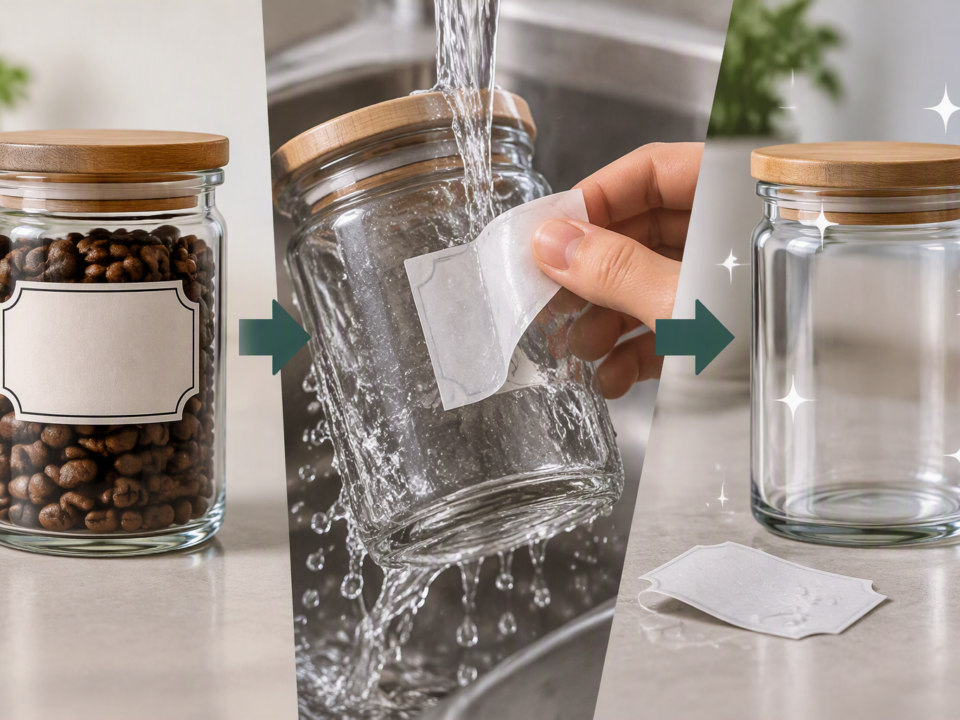
Scientists are working on adjusting the degree of crosslinking to create weaker, temporary bonds. Such formulations could potentially be used for removable labels, adhesive bandages, transdermal drug-delivery patches, and other products where effective adhesion is required without creating a permanent bond.
Potential applications therefore range from everyday products, such as labels and press-on nails, to maintenance and repair operations in remote or challenging environments.
The combination of waste-derived raw materials, high strength, wet-environment adhesion, and reversibility makes the technology an interesting potential development for the future of high-performance adhesives.
The research was supported by the U.S. Department of Energy Office of Science and used resources at the Center for Nanophase Materials Sciences at Oak Ridge National Laboratory.
Industry professionals will meet at ABS Europe 2026 – Adhesives Bonding & Sealants, the first event dedicated to adhesives, glues, sealants, foams, tapes, resins, coatings, laminates and films in Italy and the Mediterranean region, taking place from October 27 to 29, 2026, at Vicenza Exhibition Center.